
10 Kitchen Plants That Thrive in Shade

Not every kitchen is blessed with bright, south-facing windows — and that’s okay. There are plenty of plants, including herbs and decorative greenery, that don’t mind a little shade. Whether your windowsill gets only indirect light or your kitchen feels dim most of the day, these low-light champions can still bring life, fragrance, and beauty to the heart of your home.
From culinary staples to leafy companions, here are 10 kitchen plants that thrive on shaded windowsills.
Table of Contents
- Mint (Mentha spp.)
- Parsley (Petroselinum crispum)
- Pothos (Epipremnum aureum)
- Snake Plant (Sansevieria trifasciata)
- English Ivy (Hedera helix)
- Lemon Balm (Melissa officinalis)
- Cast Iron Plant (Aspidistra elatior)
- Fittonia (Fittonia albivenis)
- Cilantro (Coriandrum sativum)
- Heartleaf Philodendron (Philodendron hederaceum)
- Final Word
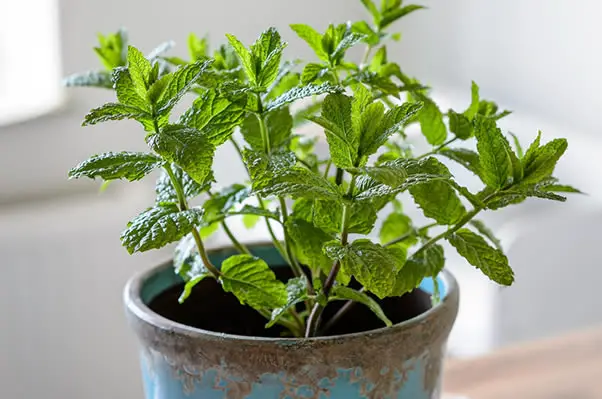
Mint (Mentha spp.)
-
💡 Light: Low to medium, indirect light
-
💧 Water: Keep soil evenly moist
-
🌫️ Humidity: Moderate to high preferred
-
🌡️ Temperature: 18–24°C / 65–75°F
-
🌱 Soil: Rich, well-draining potting mix
-
🧪 Fertilizer: Monthly during active growth
-
🐾 Pet-Friendly: Yes
Aesthetic: Mint’s bright green leaves add a fresh, lively look to your windowsill — plus, the scent is invigorating every time you brush past it.
Care Summary: Mint tolerates lower light better than most herbs and thrives in humid kitchen environments.
Regular pruning encourages bushy growth.
For a more detailed care guide see Mint Plant Care: How to Grow This Refreshing Herb Indoors and Out.
Parsley (Petroselinum crispum)

-
💡 Light: Low to medium light
-
💧 Water: Water when top layer feels dry
-
🌫️ Humidity: Average kitchen humidity is fine
-
🌡️ Temperature: 16–24°C / 60–75°F
-
🌱 Soil: Nutrient-rich, slightly moist potting mix
-
🧪 Fertilizer: Every 4–6 weeks
-
🐾 Pet-Friendly: Yes
Aesthetic: Parsley’s curly or flat leaves bring a soft texture to the kitchen — practical, edible, and attractive in one pot.
Care Summary: While parsley prefers more light, it adapts well to low-light conditions if given good airflow and occasional feeding.
For a more detailed care guide see Parsley Care: How To Grow This Culinary Staple With Lush, Flavorful Leaves.
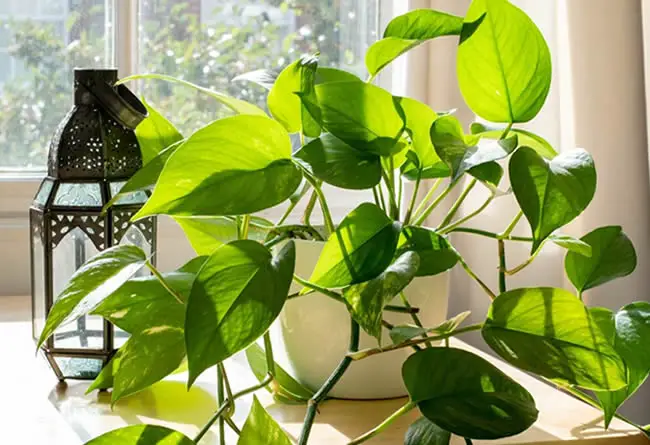
Pothos (Epipremnum aureum)
-
💡 Light: Low to bright, indirect light
-
💧 Water: Water when the top inch of soil dries
-
🌫️ Humidity: Enjoys average to high humidity
-
🌡️ Temperature: 18–30°C / 65–85°F
-
🌱 Soil: Fast-draining indoor mix
-
🧪 Fertilizer: Monthly during growing season
-
🐾 Pet-Friendly: No
Aesthetic: With trailing vines and marbled leaves, Pothos adds depth and dimension to shelves, windows, or cabinet edges.
Care Summary: This plant is practically indestructible and ideal for darker kitchens.
Water when dry and watch it flourish with minimal effort.
For a more detailed care guide see Golden Pothos Care: A Trailing Favorite That’s Almost Impossible to Kill.
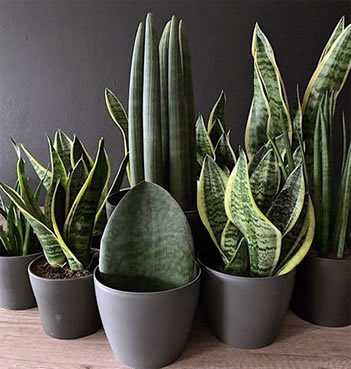
Snake Plant (Sansevieria trifasciata)
-
💡 Light: Low to bright, indirect light
-
💧 Water: Allow soil to dry out completely between waterings
-
🌫️ Humidity: Tolerates all levels
-
🌡️ Temperature: 15–29°C / 60–85°F
-
🌱 Soil: Cactus/succulent mix
-
🧪 Fertilizer: Light feeding every 2 months
-
🐾 Pet-Friendly: No
Aesthetic: With its bold, upright blades and architectural structure, the Snake Plant adds clean lines and height to your kitchen nook.
Care Summary: Nearly impossible to kill, this is a favorite for forgetful plant owners.
Perfect for dim corners and windowsills that get filtered light.
For a more detailed care guide see Snake Plant Care Made Easy.
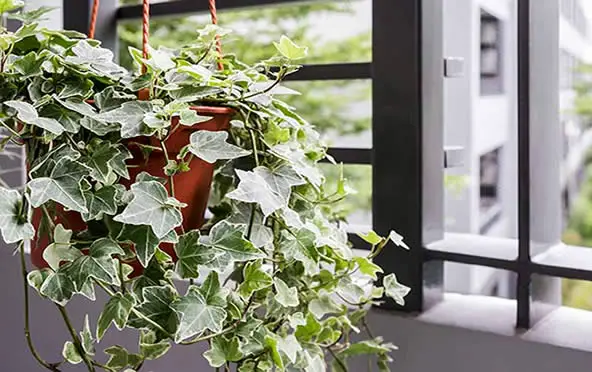
English Ivy (Hedera helix)
-
💡 Light: Low to medium, indirect light
-
💧 Water: Keep soil lightly moist
-
🌫️ Humidity: Likes humidity and airflow
-
🌡️ Temperature: 10–22°C / 50–72°F
-
🌱 Soil: Moist, well-draining mix
-
🧪 Fertilizer: Every 6–8 weeks
-
🐾 Pet-Friendly: No
Aesthetic: Cascading vines make English Ivy ideal for high shelves, curtain rods, or hanging baskets near dim windows.
Care Summary: Adapts well to lower light but needs decent airflow to prevent mildew.
Water consistently and trim to maintain shape.
For a more detailed care guide see English Ivy Care: How to Grow a Classic, Trailing Plant Indoors or Out.
Lemon Balm (Melissa officinalis)

-
💡 Light: Low to medium light
-
💧 Water: Keep soil moist but not soggy
-
🌫️ Humidity: Tolerates indoor humidity well
-
🌡️ Temperature: 18–25°C / 64–77°F
-
🌱 Soil: Well-draining potting soil
-
🧪 Fertilizer: Every 4–5 weeks
-
🐾 Pet-Friendly: Yes
Aesthetic: This leafy herb offers soft, rounded green leaves and releases a refreshing citrus scent — perfect near tea kettles and chopping boards.
Care Summary: Handles partial shade well, especially in cooler kitchens.
Snip regularly for fresh tea leaves and fuller growth.
For a more detailed care guide see Lemon Balm Care: How To Grow This Calming Herb Indoors or Out.
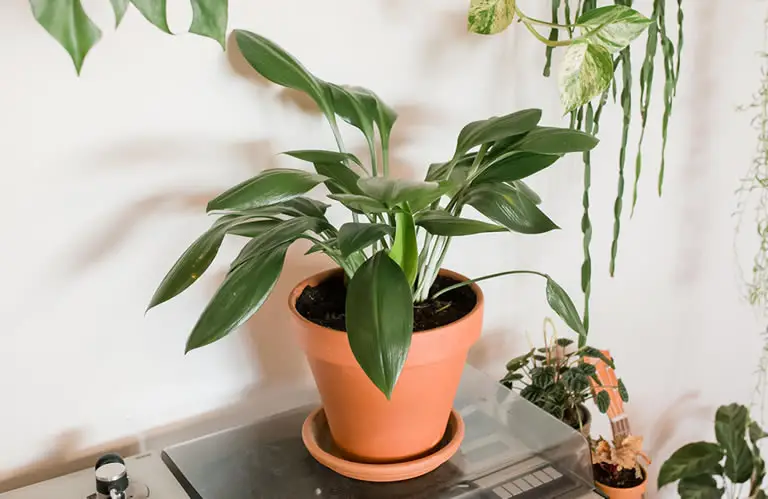
Cast Iron Plant (Aspidistra elatior)
-
💡 Light: Low to very low light
-
💧 Water: Every 2–3 weeks
-
🌫️ Humidity: Tolerates humidity well
-
🌡️ Temperature: 7–29°C / 45–85°F
-
🌱 Soil: Rich, well-draining soil
-
🧪 Fertilizer: Light feeding every few months
-
🐾 Pet-Friendly: Yes
Aesthetic: With dark green, glossy leaves, the Cast Iron Plant adds classic greenery without needing direct light or constant attention.
Care Summary: Excellent for deep shade or back corners of the kitchen.
Thrives with minimal care and tolerates neglect.
For a more detailed care guide see Cast Iron Plant Care: The Nearly Indestructible Houseplant for Low-Light Living.
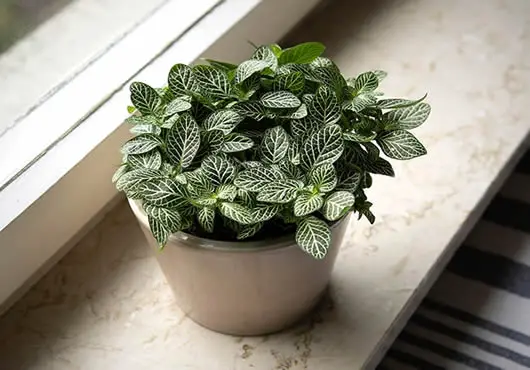
Fittonia (Fittonia albivenis)
-
💡 Light: Low to medium, indirect light
-
💧 Water: Keep consistently moist
-
🌫️ Humidity: Loves high humidity
-
🌡️ Temperature: 18–24°C / 65–75°F
-
🌱 Soil: Peaty, well-draining mix
-
🧪 Fertilizer: Monthly in spring and summer
-
🐾 Pet-Friendly: Yes
Aesthetic: Also known as the “nerve plant,” Fittonia features colorful veining — pink, red, or white — for a bold splash of color on your sill.
Care Summary: Thrives in steamy kitchens, especially near sinks or stoves.
Avoid letting it dry out too much.
For a more detailed care guide see Nerve Plant Care: How to Keep Fittonia Thriving With Color and Flair.
Cilantro (Coriandrum sativum)

-
💡 Light: Low to moderate light
-
💧 Water: Water when the top inch is dry
-
🌫️ Humidity: Moderate
-
🌡️ Temperature: 16–24°C / 60–75°F
-
🌱 Soil: Nutrient-rich, well-draining mix
-
🧪 Fertilizer: Every 3–4 weeks
-
🐾 Pet-Friendly: Yes
Aesthetic: Fresh green leaves with a feathery look — practical for cooking and pleasing to the eye.
Care Summary: Cilantro can grow in lower light than most herbs, though it may stretch.
Keep harvesting often to prevent bolting.
For a more detailed care guide see Cilantro Plant Care: How To Grow Flavorful Leaves and Prevent Early Bolting.
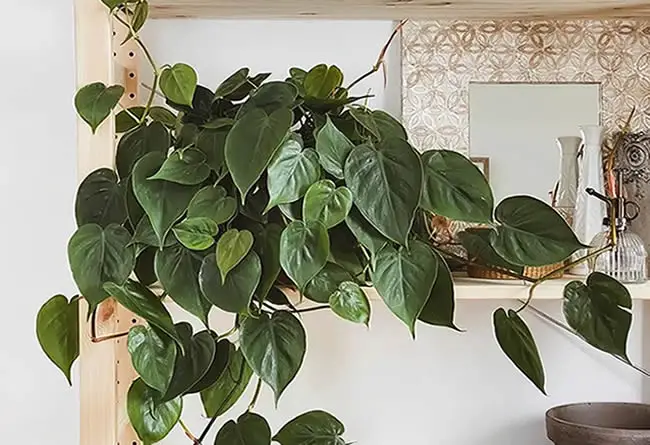
Heartleaf Philodendron (Philodendron hederaceum)
-
💡 Light: Low to medium, indirect light
-
💧 Water: Let top inch of soil dry between waterings
-
🌫️ Humidity: Moderate to high
-
🌡️ Temperature: 18–29°C / 65–85°F
-
🌱 Soil: Loose, well-draining indoor mix
-
🧪 Fertilizer: Monthly during growth
-
🐾 Pet-Friendly: No
Aesthetic: Its heart-shaped green leaves trail gently, making it ideal for softening shelves or climbing around cabinetry.
Care Summary: Thrives with little light and occasional watering.
A favorite for shady kitchens with style.
For a more detailed care guide see Philodendron Care: How to Grow These Versatile, Lush Houseplants Indoors.
Final Word
Even the darkest kitchen windowsill can host a small jungle of beauty and flavor.
From shade-tolerant herbs like mint and parsley to tough-as-nails foliage like snake plant and cast iron, there’s a perfect plant for every low-light kitchen.
Mix edible options with decorative greenery, and your kitchen becomes both functional and vibrant — no grow lights required.
Thanks for reading! I'm Michael — houseplant fanatic and your Pinterest plant guide.
Follow me on Pinterest for fresh updates 🌿


