
Non-Toxic Bathroom Plants That Look Great Too

Table of Contents
Non-Toxic Bathroom Plants That Look Great Too
Houseplants breathe life into your bathroom — but for pet owners, beauty shouldn’t come with a toxic warning label. Many common indoor plants are unsafe for cats and dogs, so it’s crucial to choose varieties that are both non-toxic and able to thrive in the humid, low-light conditions typical of bathrooms. Luckily, there are stunning, safe options that can transform your space into a green retreat without putting your furry companions at risk.
Here are the best non-toxic bathroom plants that are as safe as they are stylish.
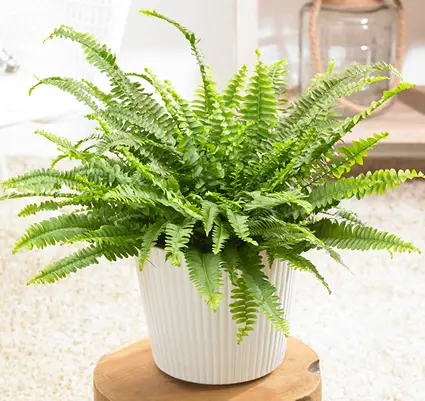
Boston Fern (Nephrolepis exaltata)
-
💡 Light: Bright, indirect or filtered light
-
💧 Water: Keep soil consistently moist
-
🌫️ Humidity: Thrives in high humidity
-
🌡️ Temperature: 15–24°C / 60–75°F
-
🌱 Soil: Rich, well-draining mix with peat or coconut coir
-
🧪 Fertilizer: Every 6–8 weeks in spring/summer
-
🐾 Pet-Friendly: Yes
Aesthetic: Feathery, arching fronds create a delicate, romantic feel. Ideal for hanging planters or pedestals in a vintage- or spa-style bathroom.
Care Summary: Boston Ferns love steamy rooms and consistent moisture. Mist frequently or place near your shower. Avoid letting soil dry out fully.
For a more detailed care guide see Boston Fern Care: How to Keep This Classic Houseplant Lush and Thriving.
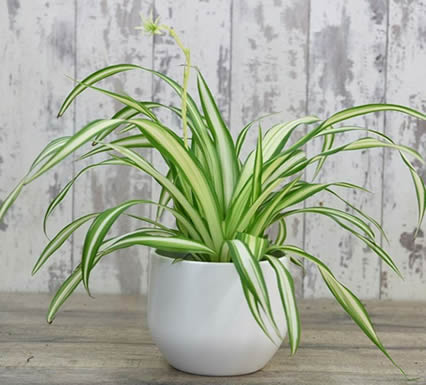
Spider Plant (Chlorophytum comosum)
-
💡 Light: Low to bright, indirect light
-
💧 Water: Water when top inch of soil dries
-
🌫️ Humidity: Prefers moderate to high humidity
-
🌡️ Temperature: 13–27°C / 55–80°F
-
🌱 Soil: Light, well-draining indoor mix
-
🧪 Fertilizer: Every 4–6 weeks during growth phase
-
🐾 Pet-Friendly: Yes
Aesthetic: Long, striped leaves arch outward while baby “spiderettes” dangle gracefully below, offering movement and visual playfulness.
Care Summary: Exceptionally easy to grow, the Spider Plant adapts to a range of light and humidity levels. It thrives in bathrooms with a bright window and tolerates the occasional missed watering.
For a more detailed care guide see Spider Plant Care: How to Grow a Happy, Trailing Houseplant.
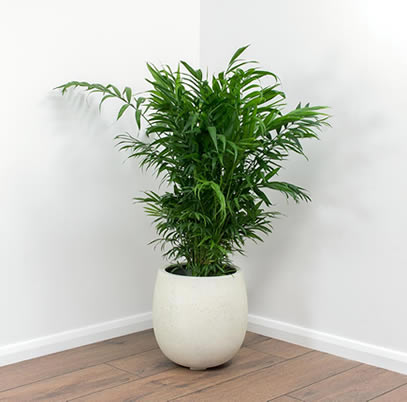
Parlor Palm (Chamaedorea elegans)
-
💡 Light: Low to medium, indirect light
-
💧 Water: Water when topsoil is dry
-
🌫️ Humidity: Likes higher humidity but adapts
-
🌡️ Temperature: 18–27°C / 65–80°F
-
🌱 Soil: Well-draining potting soil with peat
-
🧪 Fertilizer: Every 2 months in spring/summer
-
🐾 Pet-Friendly: Yes
Aesthetic: Slender stalks topped with lush, arching fronds bring a soft, elegant tropical vibe to even the smallest bathrooms.
Care Summary: The Parlor Palm is resilient and slow-growing. It tolerates lower light and average watering.
Place on the floor or a plant stand in a humid corner.
For a more detailed care guide see Parlour Palm Care: How to Grow the Elegant, Low-Light Chamaedorea Elegans.
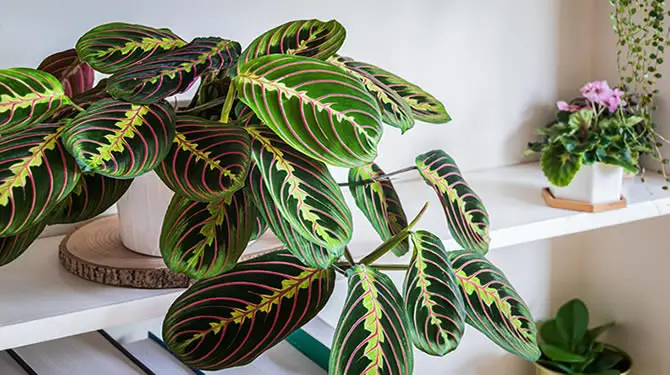
Prayer Plant (Maranta leuconeura)
-
💡 Light: Low to medium, indirect light
-
💧 Water: Keep soil consistently moist but not soggy
-
🌫️ Humidity: High humidity required
-
🌡️ Temperature: 18–26°C / 65–79°F
-
🌱 Soil: Peaty, airy mix with good drainage
-
🧪 Fertilizer: Monthly during growing season
-
🐾 Pet-Friendly: Yes
Aesthetic: Stunning leaves with red or purple veins fold up at night, giving the plant a dynamic, interactive presence.
Care Summary: Thrives in bathrooms thanks to its love of warmth and moisture.
Keep away from direct sunlight to preserve color and prevent leaf scorch.
For a more detailed care guide see Prayer Plant Care: How to Grow a Leafy Beauty That Moves with the Light.
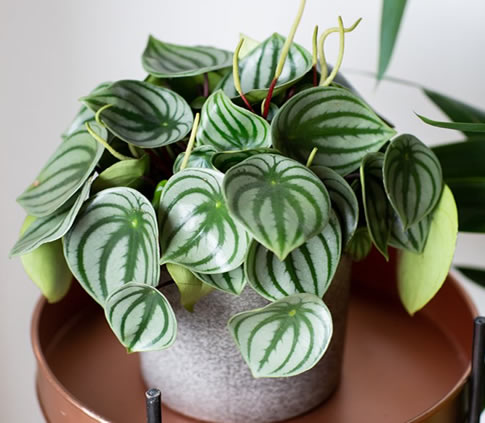
Peperomia (Peperomia spp.)
-
💡 Light: Low to bright, indirect light
-
💧 Water: Let soil dry partially between waterings
-
🌫️ Humidity: Prefers high humidity but flexible
-
🌡️ Temperature: 18–26°C / 65–79°F
-
🌱 Soil: Chunky, well-aerated soil (like orchid bark blend)
-
🧪 Fertilizer: Every 6–8 weeks during active growth
-
🐾 Pet-Friendly: Yes
Aesthetic: Peperomias come in many forms — from rippled leaves to trailing vines — making them perfect for shelf accents or compact containers.
Care Summary: These slow-growing plants are low fuss.
They handle humid bathrooms beautifully and won’t protest if you forget a watering now and then.
For a more detailed care guide see Peperomia Plant Care. Beginner Guide & Expert Tips.
Baby Rubber Plant (Peperomia obtusifolia)

-
💡 Light: Medium, indirect light
-
💧 Water: Water when top inch of soil dries
-
🌫️ Humidity: Prefers humidity but tolerates average
-
🌡️ Temperature: 18–28°C / 65–82°F
-
🌱 Soil: Loose, airy potting mix
-
🧪 Fertilizer: Monthly in spring and summer
-
🐾 Pet-Friendly: Yes
Aesthetic: Thick, glossy leaves give a rubbery texture and bold look without needing a lot of space.
Care Summary: This compact beauty thrives in humidity but doesn’t demand perfection.
Let soil dry slightly and wipe leaves to keep their shine.
For a more detailed care guide see Rubber Plant (Ficus elastica): The 7 Care Requirements.
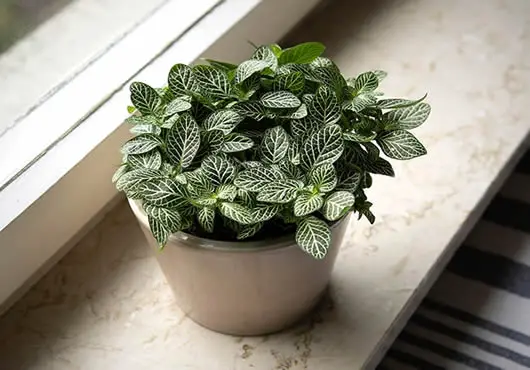
Fittonia (Fittonia albivenis)
-
💡 Light: Low to medium, indirect light
-
💧 Water: Keep consistently moist; avoid drying out
-
🌫️ Humidity: High humidity needed
-
🌡️ Temperature: 18–24°C / 65–75°F
-
🌱 Soil: Moisture-retentive mix with good drainage
-
🧪 Fertilizer: Every 4–6 weeks during growth
-
🐾 Pet-Friendly: Yes
Aesthetic: Eye-catching leaf veining in bright pink, red, or white make Fittonia a vivid splash of color for shelves or ledges.
Care Summary: Fittonia flourishes in humid, warm bathrooms.
It’s perfect for small pots, terrariums, or windowsill trays where its color can shine.
For a more detailed care guide see Nerve Plant Care: How to Keep Fittonia Thriving With Color and Flair.
Final Word
Just because you have pets doesn’t mean you have to compromise on style or greenery.
These bathroom-friendly houseplants are all non-toxic to cats and dogs, easy to care for, and beautiful to display.
From tropical ferns to colorful Fittonias, you can create a safe, lush sanctuary in your bathroom — one your pets can explore without worry.
Thanks for reading! I'm Michael — houseplant fanatic and your Pinterest plant guide.
Follow me on Pinterest for fresh updates 🌿


