
10 Houseplants Scientifically Shown to Boost Your Mood

Not just pretty faces, houseplants offer profound psychological benefits — from calming frazzled nerves to subtly lifting your mood throughout the day. Recent scientific research has validated what many plant lovers already feel: certain plants have measurable effects on mental health.
In this article, we explore 10 houseplants scientifically linked to emotional wellness. Each is backed by studies and expert opinions, offering both beauty and a grounded reason to green your space.
Table of Contents
- 1. Snake Plant (Sansevieria trifasciata)
- 2. Lavender (Lavandula angustifolia)
- 3. Aloe Vera (Aloe barbadensis miller)
- 4. Peace Lily (Spathiphyllum wallisii)
- 5. Golden Pothos (Epipremnum aureum)
- 6. Rosemary (Rosmarinus officinalis)
- 7. Areca Palm (Dypsis lutescens) – and other varities
- 8. Chamomile (Matricaria chamomilla)
- 9. ZZ Plant (Zamioculcas zamiifolia)
- 10. Jasmine (Jasminum sambac)
- 🧠 Why Mood-Boosting Plants Matter
- 🛒 Product Picks to Elevate Mood with Style
- 🔗 Further Reading & Related Pins
1. Snake Plant (Sansevieria trifasciata)
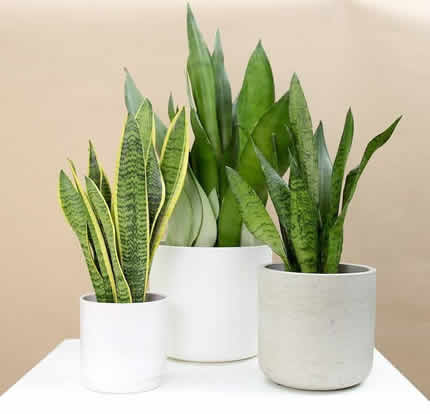
Snake Plants are renowned for their air-purifying capabilities, but recent research goes further — showing they may help reduce mental fatigue by improving indoor air quality.
“Plants like Sansevieria can significantly reduce airborne toxins, which has been linked to improved cognitive function and reduced mental fatigue.”
— Dr. Margaret Burchett, University of Technology Sydney
Urban Forestry & Urban Greening Review
The 2010 study demonstrated that indoor plants can reduce levels of CO₂, formaldehyde, and other pollutants.
This improves cognitive performance and emotional regulation — both key to stabilizing mood.
Snake Plant’s ability to photosynthesize at night also makes it excellent for bedrooms, where better air leads to better sleep and mental clarity the next day.
2. Lavender (Lavandula angustifolia)

Known for its soothing aroma, lavender is more than a pleasant scent — it’s been clinically shown to reduce anxiety and stabilize mood.
“Lavender’s scent has demonstrated measurable effects on anxiety reduction and mood regulation.”
— Dr. Hideki Toda, Osaka University School of Medicine
Source
The study evaluated brain wave activity and found that inhaling lavender increased alpha wave activity, which is associated with relaxed alertness.
This suggests that even a small pot of lavender on your desk or by your bed can trigger a calming neurological response.
3. Aloe Vera (Aloe barbadensis miller)
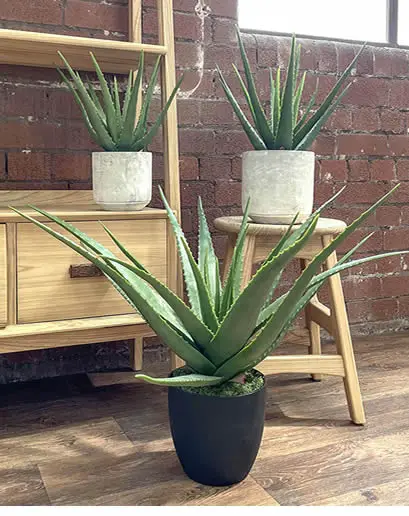
Often praised for its skin-soothing gel, Aloe Vera also purifies indoor air, contributing to a lighter, more breathable atmosphere.
“Cleaner air quality correlates with improved mood and reduced symptoms of anxiety.”
— NASA Clean Air Study
NASA Report
In NASA’s famous study, Aloe was one of several plants that effectively removed benzene and formaldehyde — common pollutants found in paints, adhesives, and cleaning products.
Reduced exposure to these toxins is linked to improved sleep, reduced irritability, and decreased mental fog — all of which elevate daily mood.
4. Peace Lily (Spathiphyllum wallisii)
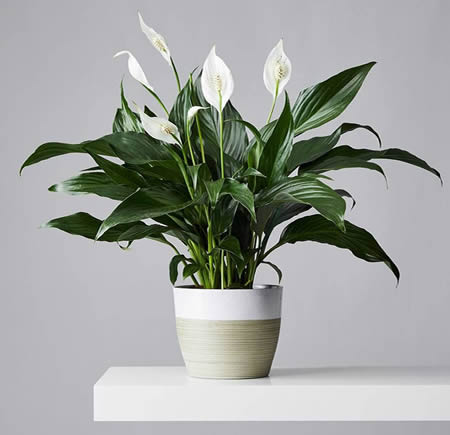
Peace Lilies bring visual calm with their soft, white blooms, but their real power lies in quietly detoxifying your air and improving mental resilience.
“Plants like the Peace Lily remove VOCs from indoor air, and these improvements in air quality are correlated with better attention, mood, and psychological health.”
— NASA Clean Air Study
Wikipedia Summary
A 2022 study in Applied Sciences confirmed Peace Lilies’ effectiveness in reducing formaldehyde and CO₂ concentrations indoors.
Clean air is directly tied to cognitive sharpness and emotional balance. When placed in closed rooms — such as bathrooms or studies — Peace Lilies act as natural stress buffers. Source: Applied Sciences Study
5. Golden Pothos (Epipremnum aureum)
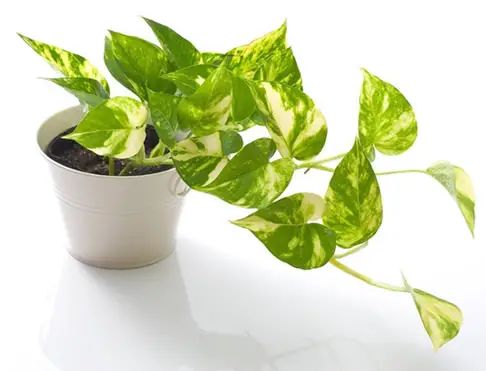
Often labeled as “beginner-friendly,” Golden Pothos offers more than ease — it injects dynamic greenery into sterile environments, which has psychological significance.
“Trailing plants like Golden Pothos reduce stress and increase feelings of grounding through their natural flow and movement.”
— University of Reading
Study Summary
This trailing vine made NASA’s Clean Air list due to its ability to remove formaldehyde and benzene.
But its mood-enhancing power also comes from its cascading, soft visual lines — which break up rigid interiors and help create calmer spatial energy.
6. Rosemary (Rosmarinus officinalis)

Best known as a culinary herb, Rosemary also affects neurological pathways linked to memory and emotional well-being.
“The aroma of rosemary improves mood, memory, and alertness.”
— Dr. Mark Moss, Northumbria University
Study – International Journal of Neuroscience
In the 2003 study, participants exposed to rosemary scent showed marked improvements in memory recall and reported feeling more alert.
This is attributed to compounds like 1,8-cineole that directly stimulate the brain’s memory centers.
Having a fresh rosemary plant nearby — particularly in workspaces or kitchens — can gently boost mood and performance.
7. Areca Palm (Dypsis lutescens) – and other varities
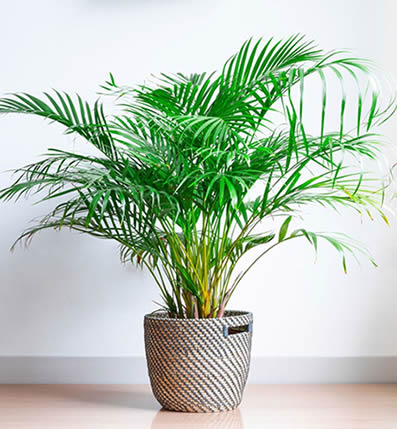
This tropical palm isn’t just beautiful — it’s an emotional humidifier. Studies show that dry air is linked to increased tension, headaches, and fatigue.
“Areca Palms significantly reduced CO₂ and VOC levels in live indoor environments, improving occupant well-being.”
— Study on Indoor Air Pollutants, 2020
Full Study
Areca Palms release moisture through transpiration, which helps counteract dry indoor air.
Their soft, flowing leaves and upward structure have also been shown to have calming visual effects in healthcare environments — making them powerful allies in high-stress homes or offices.
8. Chamomile (Matricaria chamomilla)

While commonly consumed as tea, chamomile also makes an excellent potted indoor herb with visual and aromatic benefits.
“Chamomile extract significantly reduced symptoms of anxiety and depression in patients with GAD (generalized anxiety disorder).”
— Dr. Jay Gottfried, Northwestern University
PMC Study
The study focused on chamomile as an extract, but having it in plant form — with its delicate, daisy-like flowers and soft scent — may bring subconscious associations with peace and rest.
Great for bedside tables or kitchen windows.
9. ZZ Plant (Zamioculcas zamiifolia)
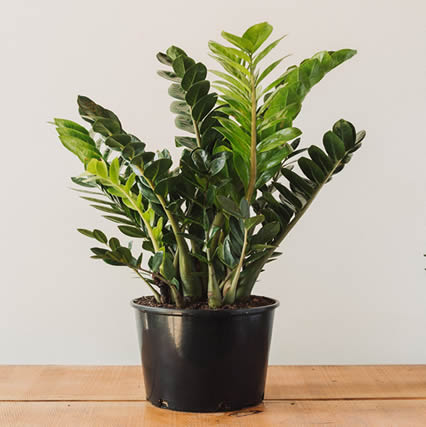
The ZZ Plant is a powerhouse for modern homes. It thrives in poor lighting, needs almost no attention, and delivers lush, symmetrical growth that visually communicates stability and control.
“ZZ Plants help create a calm atmosphere in home and office environments, particularly for individuals overwhelmed by daily demands.”
— Lula’s Garden
Source
Because of its shiny, upright posture and zero-stress care routine, it’s been associated with reduced cognitive load.
In psychological terms, the ZZ Plant acts as a stable presence in otherwise overstimulating environments.
10. Jasmine (Jasminum sambac)

Famous for its sweet, dreamy fragrance, Jasmine offers real neurological benefits.
“Exposure to jasmine aroma improved alertness and mood in controlled trials.”
— Dr. Bryan Raudenbush, Wheeling Jesuit University
Biological Psychology Journal
Jasmine’s interaction with GABA — the neurotransmitter responsible for calming nerve activity — has been shown to improve sleep quality and boost mood upon waking.
Whether near a window or placed in a hanging pot by the bed, Jasmine is a gentle powerhouse for emotional reset.
🧠 Why Mood-Boosting Plants Matter
Multiple studies from Japan, the UK, and the U.S. confirm what many instinctively feel: indoor plants lower cortisol, boost dopamine, and create a subconscious bond with the natural world.
They restore us not only through scent and air purification — but also through symbol, rhythm, and quiet companionship.
🛒 Product Picks to Elevate Mood with Style
-
Self-Watering Ceramic Planters or self watering pots – For stress-free care of sensitive herbs like rosemary or lavender
-
Macramé Hanging Shelves – Perfect for trailing pothos and golden vines
-
LED Grow Light Clips – Make mood-boosting plants accessible in dark spaces
-
Aromatherapy Diffuser with Plant Oils – Extend lavender or jasmine effects to full-room coverage
🔗 Further Reading & Related Pins
→ 5 Surprising Health Benefits of Houseplants
→ How to Keep Plants Happy When You’re Busy
→ Snake Plant – Why the Snake Plant Helps You Sleep Better at Night
→ Areca Palm – Effortless Elegance: How Areca Palms Transform Your Living Room
→ Indoor Plant Hacks for Busy People
Thanks for reading! I'm Michael — houseplant fanatic and your Pinterest plant guide.
Follow me on Pinterest for fresh updates 🌿


